SUMMER 2026
Summer Engineering Intern · Disruptive Technologies
Worked on a Modbus gateway concept to bring third-party sensors into the company's cloud platform as native devices.
C++RustPythonTypeScriptProduct DevelopementR&DConfluence
SUMMER 2026
Worked on a Modbus gateway concept to bring third-party sensors into the company's cloud platform as native devices.
SUMMER 2025
Developed low-level modules in C++ on embedded Linux that integrated a sonar with the drone's navigation and control system over a UDP interface
Feb. 2025-Present
Responsible for the development and maintenance of brake tester software using Rust, TypeScript and WebSocket technologies, and a full-stack React frontend with a Django backend cloud platform deployed and monitored in Azure, used daily by over 100 workshops.
Working on continuous improvement of the user experience, while keeping the product highly optimized and efficient.
Aug. 2023 - May 2024
In my role as IT Manager at Start Gjøvik, I lead a dedicated team of four students, focusing on web development and IT management. As a board member, I also contribute to the strategic direction of the organization. My responsibilities include overseeing the evolution of our website, ensuring it effectively supports our goals.
I handled the review and approval of pull requests to maintain high-quality standards in our codebase. Working closely with the team to improve our digital presence is a role I highly value.
2025-2027
Focusing on robotics, control systems, and embedded software. Building strong foundations in both low-level and high-level system design.
2022-2025
Specialized in electronics, embedded systems, and programming. Gained hands-on experience with microcontrollers and signal processing.
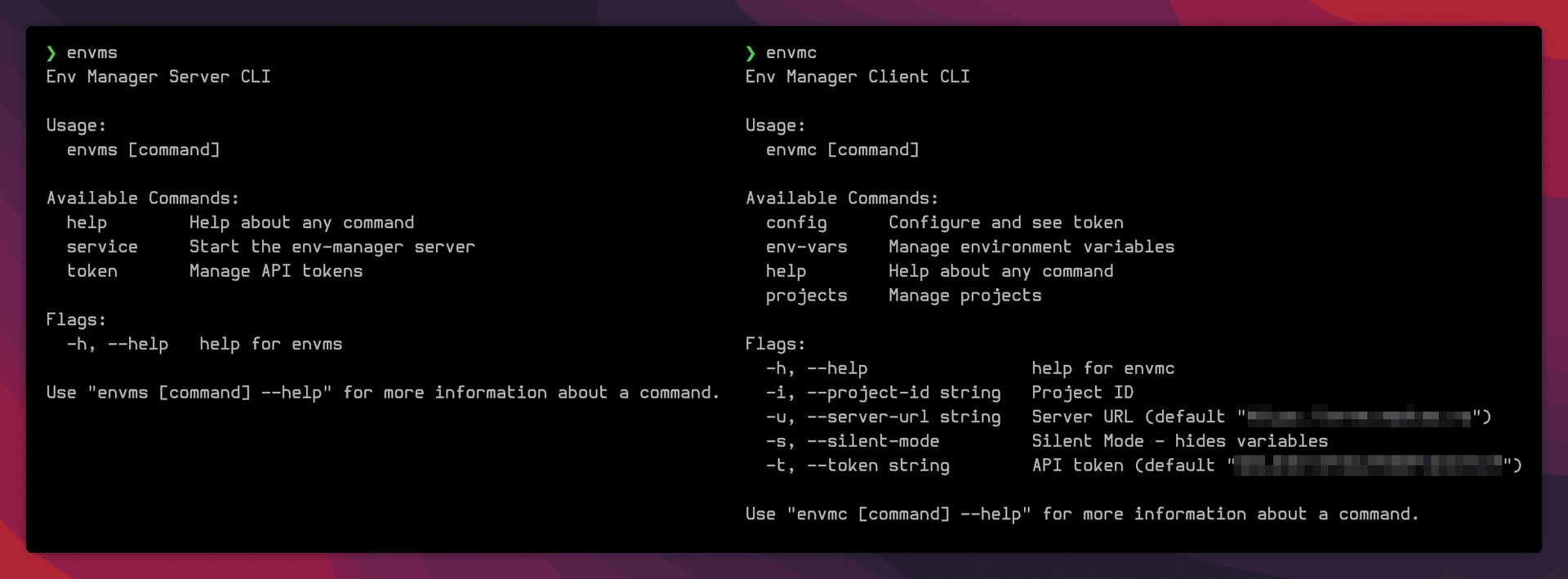
The env_manager is a self-hosted environment variable manager that allows you to securely store, manage, and access your environment variables from anywhere.
As part of Start Norge, Start Gjøvik promotes entrepreneurship and innovation among students. From Jan. 2024 to Jan. 2025, I led the IT department, managing a team of four. Together, we completely redesigned the website's UI, creating a more modern and user-friendly experience
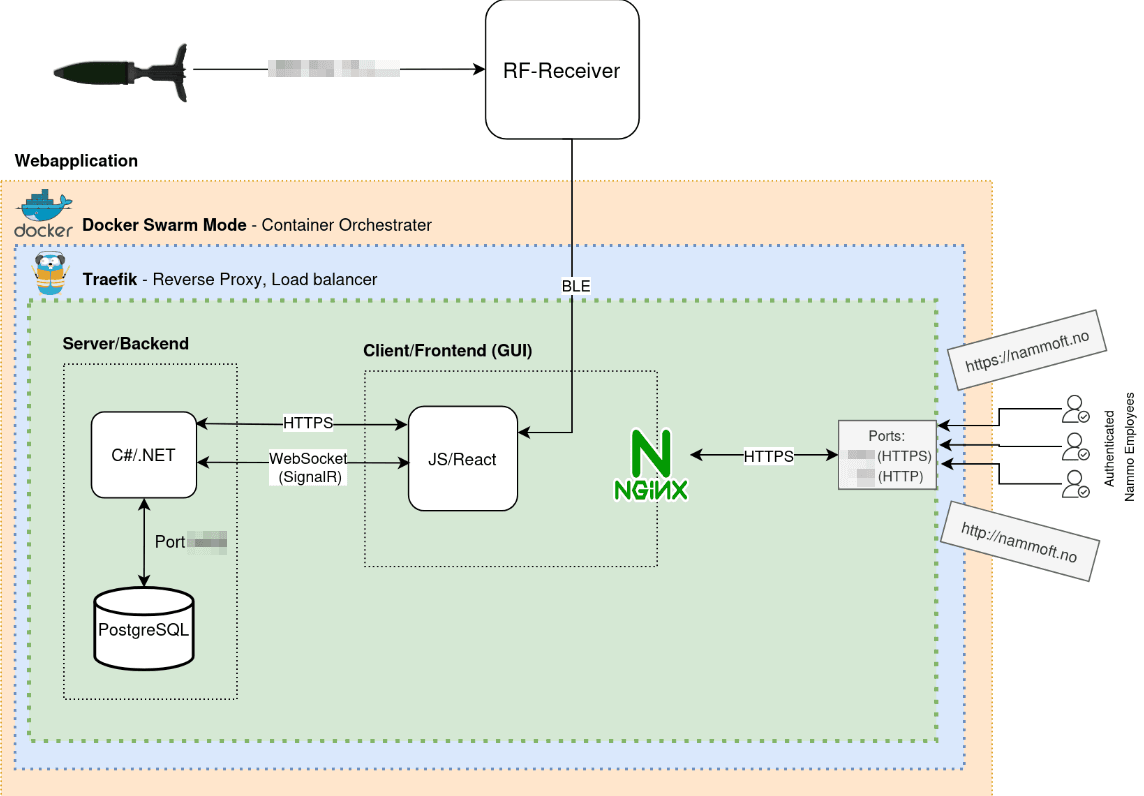
Developed a full field testing platform covering everything from web application to multi-protocol PCB design. I was responsible for the web app, built with React (Zustand + shadcn + TailwindCSS), served via NGINX and tested with Vitest and react testing library. The .NET backend used EF Core with PostgreSQL, xUnit for testing, and SignalR for real-time telemetry. The stack was containerized using Docker Swarm and reverse-proxied and load-balanced with Traefik and hosted on a private server. All streamlined through GitHub Actions for CI/CD. The system is now believed to be in production use by the client.
Fridge monitoring app built with React Native and Rust as the backend, using Postgres for data storage. The hardware includes a custom-programmed barcode scanner, joystick for setting expiration dates, and a 128x64 display, all running on RTOS. The app interfaces with an external API for item retrieval and can push notifications for items nearing their expiration date.
A serial monitor that reads and writes data to/from serial ports, displays graphs for key-value variables, and is fully configurable. Deployed on multiple Linux distributions.
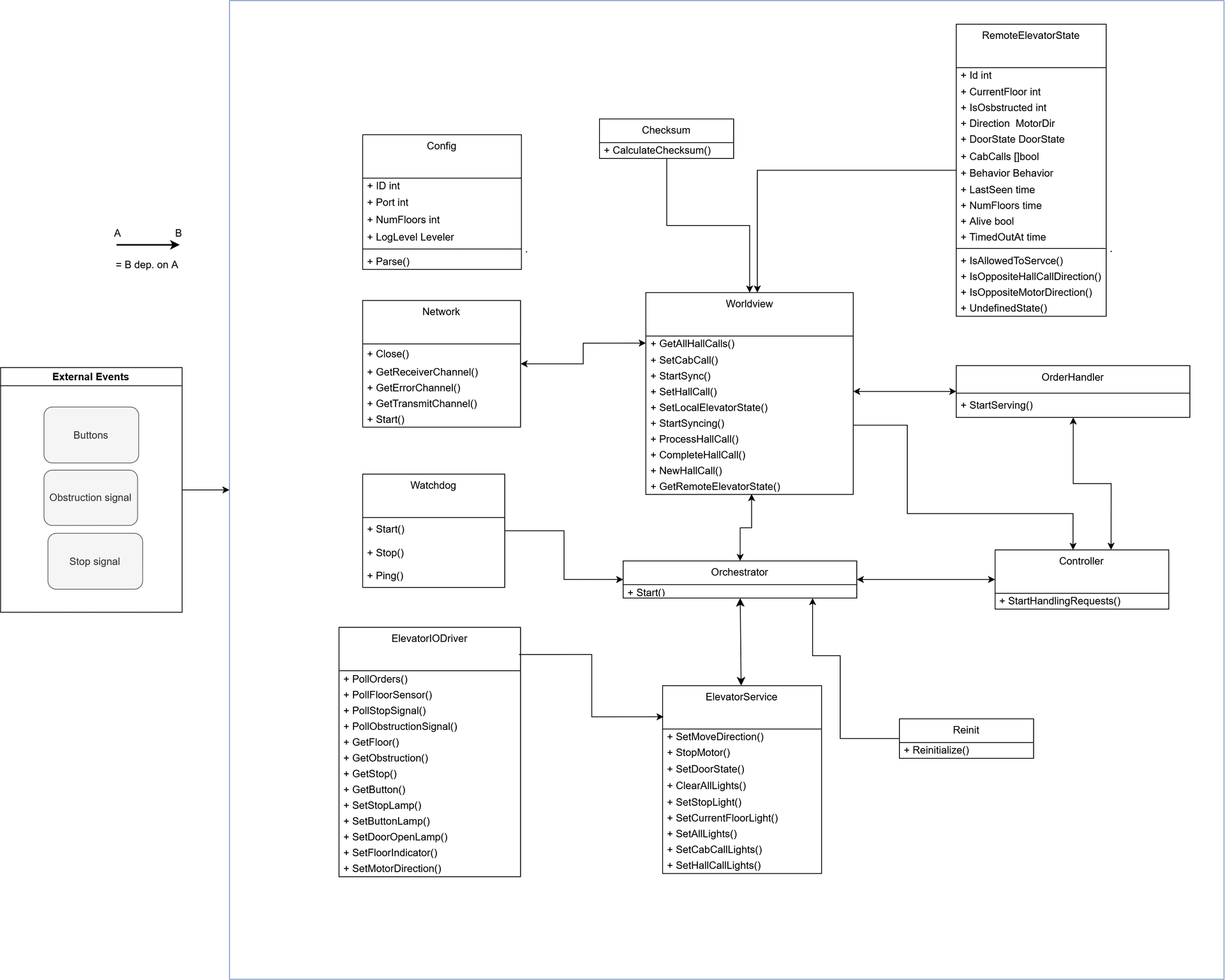
A graded semester project of TTK4145: Real-time programming.
The goal was to control and distribute hall calls on N elevators running separate machines. We used peer-to-peer network topology with UDP for communication between nodes. The gist of the project was that all nodes had to share and synchronize each other's "worldview" (world state), without losing any confirmed orders under any circumstances.
This project was quite challenging, but incredibly rewarding, working as part of a group of three. Fault tolerance, clean code, test-driven development, technical documentation and distributed systems were my personal lessons from the course, which I’m glad to have been a part of.
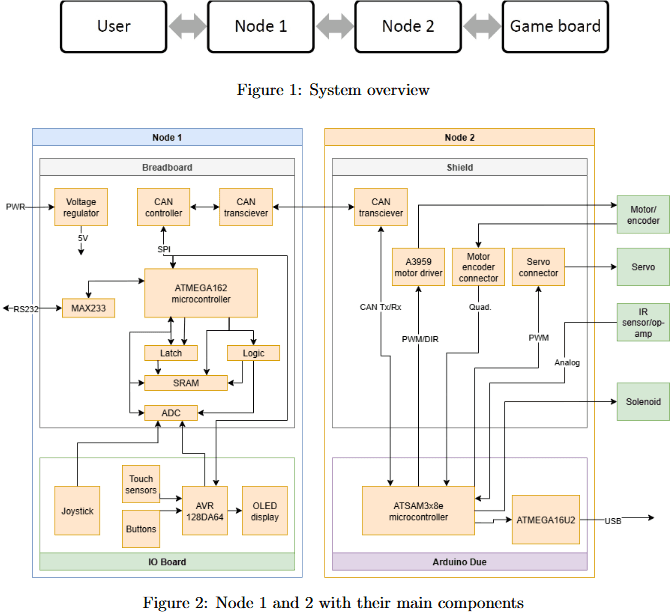
A semester project as part of the course TTK4155: "Design of Industrial and Embedded Computer Systems".
The goal was to create a ping-pong game using two independent MCUs communicating over a CAN bus. Node 1 was responsible for the input logic, OLED display, power regulation, some digital circuitry and finally the RSR232 line to a computer for debugging. On the other hand, everything else, such as motor driver, encoder and servo control, IR sensor and solenoid handling, took place on Node 2.
The project was done in groups of three. This was definitely one of my favorite courses. Learned so much about bare-metal programming, how to read datasheets effectively and new protocols.
Open‑source GNOME Shell extension used by the community (2,600+ downloads):
RAM Sens: https://extensions.gnome.org/extension/7123/ram_sens/
A semester-project of the course IELEG2143: “Programmable Circuits”.
The goal was to write a UART driver (RX/TX, FIFO buffer, etc.) from scratch on a MAX10 FPGA. The project was done using VHDL.
First time fiddling with an FPGA. Found it very interesting and learned alot about digital circuits.